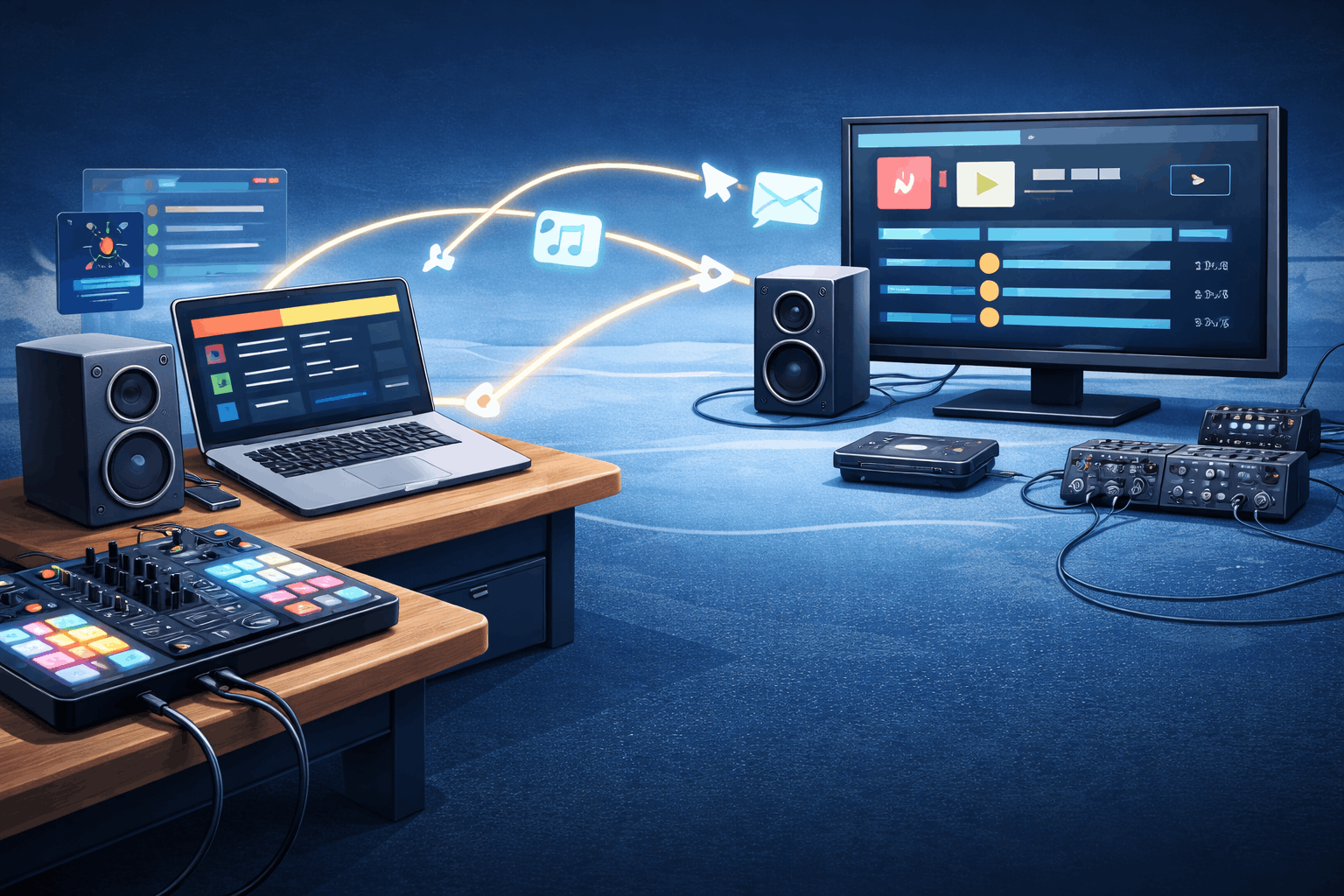
The Modern DJ Workflow: Why 'Pass the Aux' is Dead
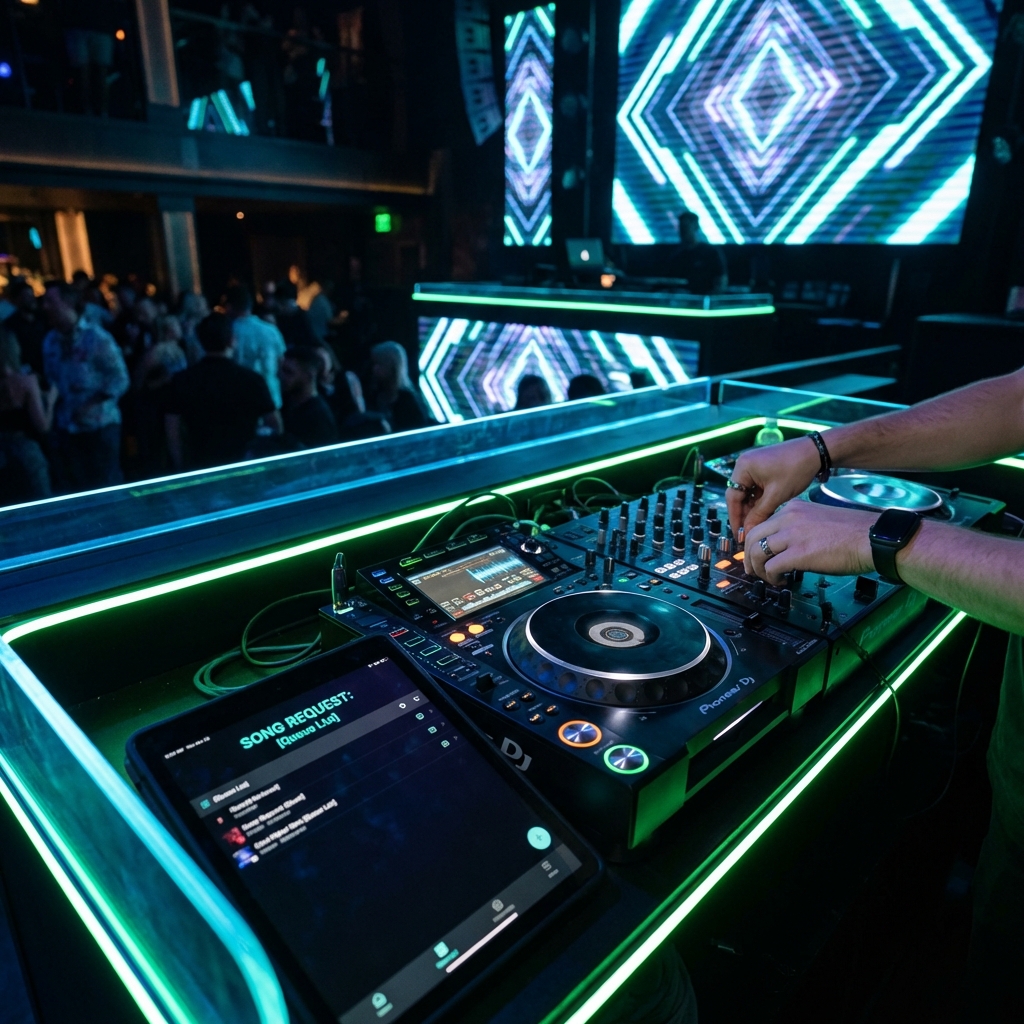
The age of "Do you have..." is over. The new standard is silent, seamless, and smart.
For decades, DJs have battled the same friction point: the gap between the booth and the dance floor. The drunk guest shouting a title, the phone thrust in your face showing a song, the napkin with unreadable handwriting. It breaks your flow, it kills the vibe, and frankly, it's annoying.
Control vs. Chaos
There's a misconception that taking requests means surrendering control. In reality, curating requests is the ultimate form of crowd reading. When you use a digital system like GuestDJ, you aren't just a jukebox; you're a filter.
"The best DJs don't just play what they want. They play what the crowd didn't know they wanted until they heard it."
By moving requests to a digital queue, you achieve three things:
- Flow Protection: No interruptions. You check the queue when you're ready to mix, not when someone taps your shoulder.
- Data-Driven Sets: If 15 people request Bad Bunny, you know exactly where to take the night, even if you don't play the exact songs requested.
- Guest Satisfaction: People feel heard. Even if you don't play their song, the act of submitting it and seeing it "Sent" releases the tension.
The "Pass the Aux" Fallacy
House parties often devolve into a chaotic battle for the Bluetooth connection. This is the "Pass the Aux" model, and it's a disaster for coherence. GuestDJ brings the "Benevolent Dictator" model to the party host. You let everyone have a voice, but you hold the veto power.
Modern events demand modern workflows. Whether you use Serato, Rekordbox, or Apple Music, keeping the request layer separate from the playback layer is the professional standard for 2026.
Thanks for reading. Happy hosting!